

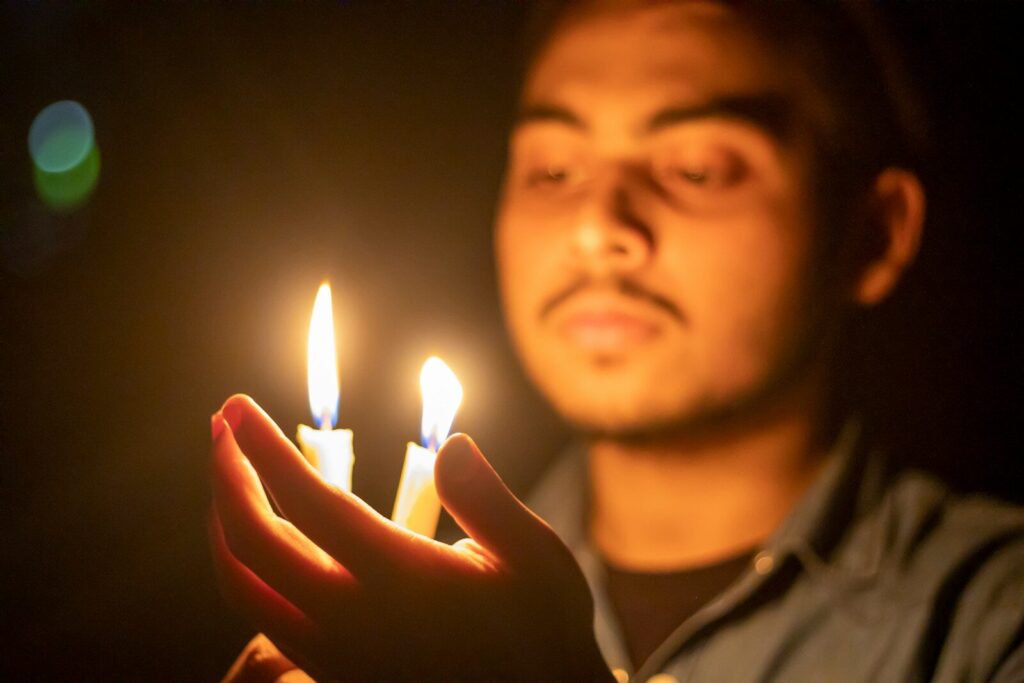
The load shedding notification comes through at 6 pm. Again. Dinner is half-cooked, kids are doing homework, and the Wi-Fi is about to cut out. You know the drill by now — and you’re tired of it. The good news is that load shedding is no longer something you just have to survive. Off-grid solar gives South African homeowners a real, permanent alternative — one that means Eskom’s schedule stops being your problem. And it’s far more accessible than most people think.
What Does “Going Off-Grid” Actually Mean?
Most people assume going off-grid means cutting all ties with Eskom permanently and living like you’re in a remote farmhouse. In reality, it’s far more flexible than that.
Going off-grid simply means your home generates and stores its own electricity, reducing or eliminating its dependence on the national grid. For many South African households, the goal isn’t total disconnection — it’s energy independence. The ability to keep the lights on, the fridge running, and the router connected regardless of what stage of load shedding Eskom has scheduled.
A complete off-grid solar system has three core components working together: solar panels to capture energy, a battery to store it, and an inverter to make it usable. Get those three elements right, and your home runs on the sun.
Why Load Shedding Makes Solar the Smartest Move Right Now
South Africa has endured load shedding for over a decade, and Eskom’s tariffs have increased by more than 190% since 2014. That means South African households are paying significantly more for electricity that is less reliable than ever.
The real cost of load shedding goes beyond the electricity bill. Spoiled food, damaged appliances from power surges, lost productivity for anyone working from home, and the constant disruption to family routines all add up. For many households, these hidden costs make the case for off-grid solar far more compelling than the upfront price tag suggests.
South Africa also has some of the best solar conditions on the planet — most regions receive more than 2,500 hours of sunshine a year. That’s an enormous natural resource sitting above your roof, waiting to be used. Off-grid solar converts that resource into energy independence.
What You Need for a Complete Off-Grid Solar Power System
A properly designed off-grid solar power system isn’t complicated, but every component matters. Here’s what goes into one.
Solar Panels
Solar panels for off-grid living are the starting point of your system. They capture sunlight and convert it into DC electricity, which your inverter then transforms into usable power for your home.
The number of panels you need depends on your household’s daily energy consumption and your roof’s available space and sun exposure. A certified installer will calculate this for you — but as a general rule, the more energy you use, the more panel capacity you need to generate and store enough to cover you through the night and on cloudy days.
Panel quality matters significantly for off-grid setups. Premium panels perform better in high-heat conditions, degrade more slowly over time, and deliver more consistent output over their 25-year lifespan. In a grid-tied system, a slightly underperforming panel is an inconvenience. In an off-grid system, it directly affects how much power you have stored.
Solar Battery
Your off-grid solar battery is what makes true energy independence possible. Without storage, your solar system only produces power while the sun is shining — the moment it sets, you’re back on the grid.
A correctly sized battery bank stores the excess energy your panels generate during the day so you can use it at night, during load shedding, and on overcast days. Battery capacity is measured in kilowatt-hours (kWh) — the higher the capacity, the longer your home can run without the sun.
Modern lithium-ion batteries, such as those from Dyness and HinaESS, offer significant advantages over older lead-acid alternatives: faster charging, longer cycle life, better performance in South Africa’s heat, and a smaller physical footprint. The right battery is the difference between a system that covers you through an 8-hour blackout and one that doesn’t.
The Inverter
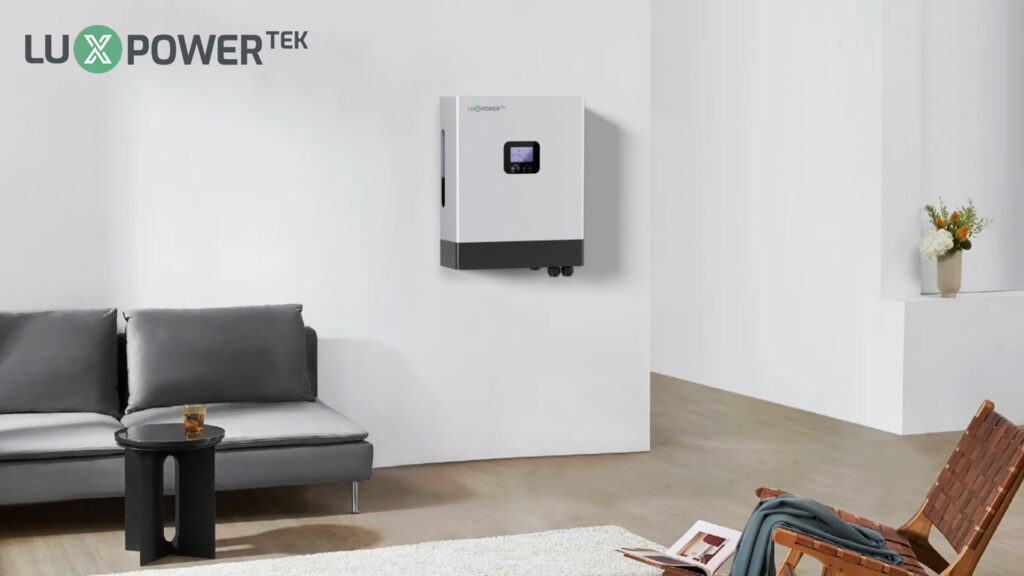
The inverter ties your entire off-grid system together. It converts the DC electricity from your panels and battery into the AC electricity your appliances use, and in a hybrid setup, it manages the flow of power between all three sources — solar, battery, and grid — automatically.
For off-grid living in South Africa, a hybrid inverter is typically the most practical choice. When load shedding hits, it switches seamlessly to battery. When the sun is up, it prioritises solar. It handles all of this without any manual input from you.
For a detailed breakdown of inverter types and how to choose the right one, read our guide: Your Solar Inverter Is More Important Than Your Solar Panels.
How Long Before an Off-Grid Solar Power System Pays for Itself?
The upfront cost of a complete off-grid solar power system is the most common hesitation — and it’s a fair one. But the calculation looks very different once you account for what you’re currently spending.
With Eskom tariffs continuing to rise and load shedding showing no signs of ending, the savings from generating your own electricity grow every year. Most South African households with a properly sized system begin to see meaningful returns within a few years of installation — and continue to benefit for the full 15 to 25-year lifespan of their equipment.
Factor in the cost of load shedding-related damage and losses, and the financial case strengthens further. A certified installer can give you a realistic payback estimate based on your actual energy usage and local tariff rates.

Is Going Solar Right for Your Home?
Off-grid solar is not a one-size-fits-all solution. A few key factors determine whether it’s the right fit for your household right now.
- Roof space and orientation: You need enough unshaded roof area to mount the panels your system requires. South-facing roofs in South Africa receive the most consistent sunlight.
- Daily energy consumption: The more power your household uses, the more panels and battery capacity you need. A professional assessment will give you an accurate picture.
- Budget: Off-grid systems require more capacity than grid-tied setups. However, financing options are increasingly available, making the upfront cost more manageable.
- How much independence you want: Some homeowners want full off-grid capability. Others want a hybrid setup that uses solar and battery first, with the grid as a backup. Both are valid — your installer can design either.
The right approach is to have a certified installer assess your home and energy usage before making any decisions. It costs nothing to get an assessment, and it ensures your system is sized correctly from the start.
Take the First Step Toward Off-Grid Living Today
Load shedding has become a permanent feature of South African life — but it doesn’t have to be a permanent feature of yours. A well-designed off-grid solar system puts you in control of your energy, protects your home from outages, and starts paying you back from day one.
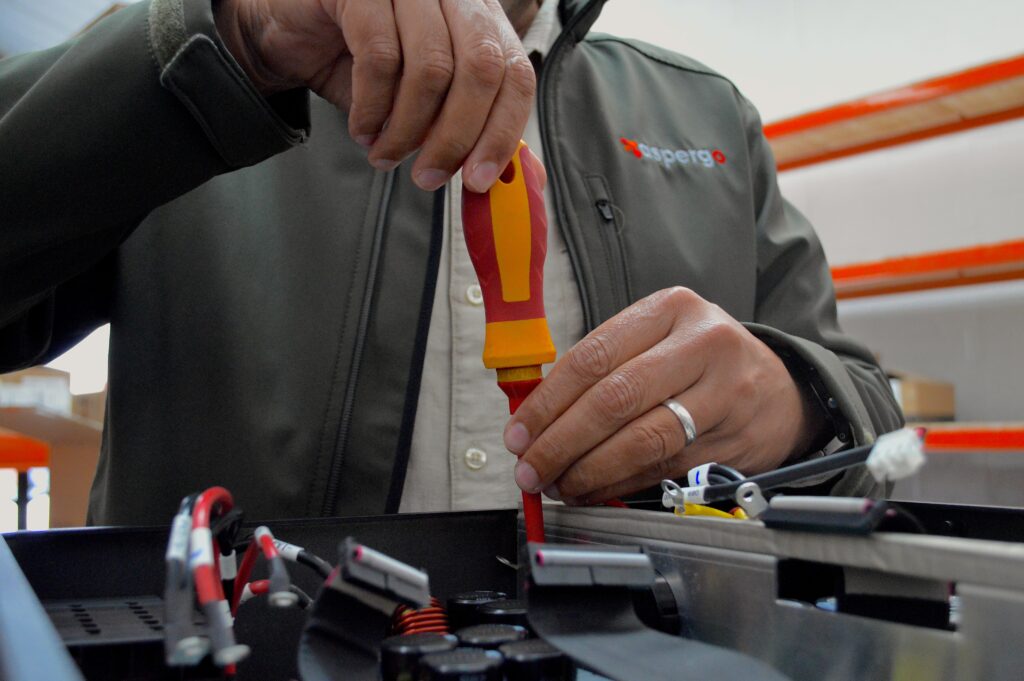
Aspergo supplies premium solar panels, off-grid batteries, and hybrid inverters through a national network of certified installers. Whether you’re ready to go fully off-grid or want to start with a hybrid setup, we’ll connect you with the right people and the right products for your home.
Browse our range or get in touch with Aspergo today — and start ignoring load shedding for good.

