

South Africa’s electricity has been controlled by a single buyer for a century. One entity has decided who generates power, who buys it, and what it costs. In April 2026, that changes. The South African Wholesale Electricity Market — known as SAWEM — launches this year.
In short, it replaces Eskom’s single-buyer model with an open, competitive market. Multiple generators will sell power to multiple buyers. As a result, prices will be set by competition rather than by a monopoly.
This is not a small policy change. In fact, it is the biggest shift in South Africa’s electricity sector in over a century. And for anyone who has already gone solar — or is considering it — it is very good news. Below, we explain what SAWEM is, why it matters, and why solar owners stand to benefit most.
What Is SAWEM and Why Does It Matter?
From Monopoly to Open Market
SAWEM stands for the South African Wholesale Electricity Market. Think of it as an electricity stock exchange. Generators bid their power into the market. Buyers purchase it at prices set by supply and demand. No single entity controls the outcome.
Under the current system, Eskom acts as the only buyer of electricity from independent generators. It then sells that electricity to consumers at prices it largely sets itself. This single-buyer model has, for decades, given Eskom enormous control over the sector. It has also shielded the utility from the competitive pressure that drives efficiency.
SAWEM changes this at its core. According to the Energy Group, SAWEM replaces the single-buyer model with a multi-buyer, multi-seller system and uses system-marginal pricing. Under this model, solar and wind — with near-zero running costs — are dispatched ahead of coal and gas. In other words, renewables get prioritised. Coal, as a result, becomes less and less competitive over time.
Who Runs It
The National Transmission Company of South Africa (NTCSA) operates SAWEM as the Market Operator. Importantly, NERSA — the National Energy Regulator of South Africa — granted the NTCSA its Market Operator licence in November 2025. The Market Code that sets the trading rules awaits final review ahead of launch.
As of February 2026, April 1 remains the official launch date. However, the NTCSA has been open about the fact that the timeline is tight. Some approvals still need sign-off. The launch may therefore begin in limited form, with broader participation following in phases. Even so, the direction is confirmed, and the structures are in place.
One Hundred Years of Monopoly — How Did We Get Here?

A Century Under One Roof
South Africa’s electricity has been managed by a single, state-run utility for over 100 years. Eskom built the power stations, ran the grid, and set the prices. Private generators had almost no path to market. For most of that century, the model held together — after a fashion.
Then the cracks appeared. Ageing coal plants began to fail. Load shedding arrived in 2007 and never fully left. Eskom accumulated debt. Tariffs rose sharply. As a result, South Africa’s electricity became both unreliable and expensive. The monopoly model, it turned out, was not suited to a changing energy world.
What South Africans Did About It
Rather than waiting for Eskom to fix itself, consumers took action. South Africans have now installed over 7,300 MW of rooftop solar, according to data from the National Transmission Company. That is a 215% increase since Eskom first published rooftop solar estimates in 2022. South Africans effectively built their own distributed power network — one rooftop at a time.
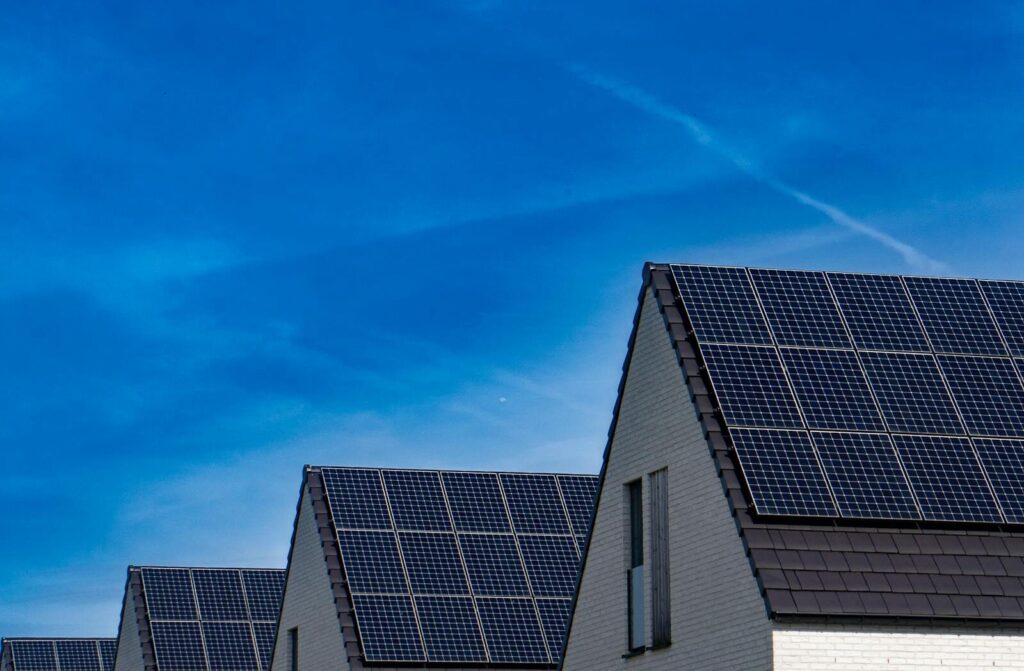
SAWEM is therefore the structural response to a shift that has already happened. The monopoly model cannot keep up with a country where millions of people generate their own power. A competitive market can. That is why this reform matters so much.
How SAWEM Works
Three Markets, One Platform

SAWEM runs through three linked markets. First, the Day-Ahead Market is where generators and buyers submit bids for each hour of the following day. Second, the Intra-Day Market allows those positions to be adjusted as conditions change closer to real time. Third, the Balancing Market corrects any gap between what was planned and what was actually delivered.
For most solar owners and businesses, the day-to-day workings of these markets will be invisible. What you will feel, however, is the effect downstream: more competition, clearer pricing, and, over time, more choice in how you buy and sell electricity.
A Phased Launch, Not a Big Bang
SAWEM does not launch at full scale from day one. Initially, the market includes Eskom’s power stations and independent power producers procured through government auctions. Private sector generators and commercial users join in later phases. Full market operation is targeted for 2031, according to the SA Energy Outlook 2026.
This phased approach is deliberate. The Energy Council of South Africa has called the launch a crucial signal of South Africa’s commitment to reform — even if limited at first. Getting the market running is the priority, and access broadens from there.
Crucially, you do not need to be an active SAWEM participant for the market to benefit you. A more competitive electricity sector improves conditions for everyone who generates their own power.
Why Solar Owners Win Under SAWEM
Solar Gets Dispatched First
Under system-marginal pricing, the cheapest generators go first. Because solar and wind have near-zero running costs once installed, they are dispatched ahead of coal and gas in every period where they can meet demand.
In South Africa, coal currently sets the market price most of the time. However, renewables earn that same price while spending almost nothing to produce power. As a result, solar becomes more attractive for large-scale investment. Over time, this draws more capital into clean energy and away from coal.
Businesses Can Sell Power to Multiple Buyers
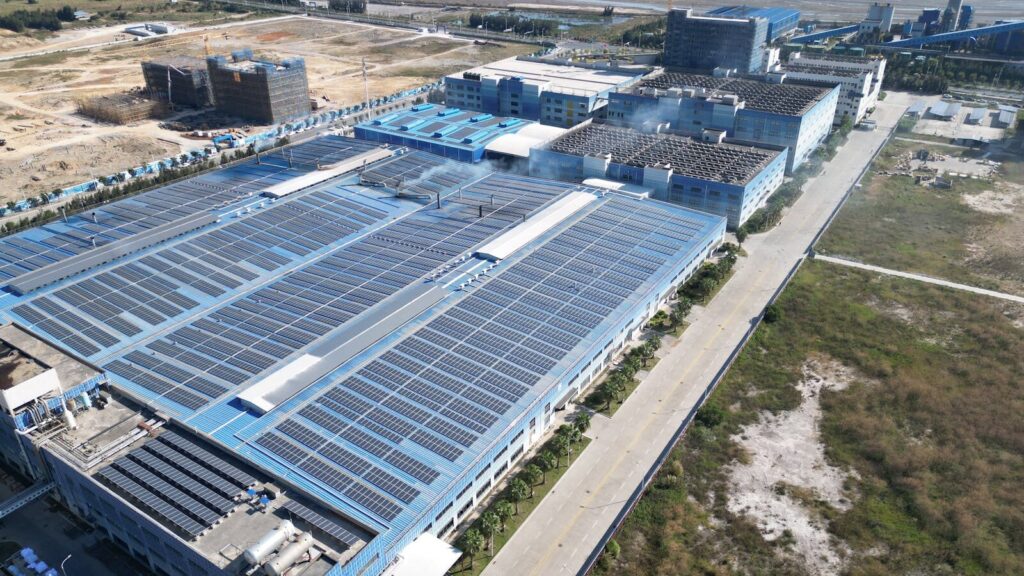
One of the biggest changes SAWEM brings for commercial solar owners is the move from one-to-one contracts to open trading. Under the old model, a solar generator could only sell power to a single buyer. Under SAWEM, however, generators can sell into the open market and reach multiple buyers at the same time.
African Business Innovation reported that 2025 saw the first proof of this in South Africa. A single solar farm wheeled power to multiple corporate customers at the same time through a shared structure. SAWEM formalises and scales this. For large commercial solar owners, therefore, a new and growing revenue stream opens up.
Private Money Flows Into the Grid
Grid bottlenecks are currently one of the biggest barriers to solar growth. New solar projects are ready to connect. Capital is available. The grid, however, cannot keep up with demand. SAWEM helps to unlock the private investment needed to change this.
By creating a market with clear, transparent prices, SAWEM gives private investors the certainty they need to fund grid upgrades. More grid capacity means faster solar connections and a more reliable network for everyone. Furthermore, the National Business Initiative’s February 2026 report — prepared by Prof Anton Eberhard — confirms that SAWEM provides a clear framework for competition and fair cost sharing across the sector.
Your Battery Becomes a Market Asset
Battery storage was already a smart choice before SAWEM. Under the new market, however, it becomes even more valuable. Battery owners can earn money through services like frequency regulation and voltage control — on top of the savings they already make.

In other words, a hybrid solar and battery setup is no longer just a backup for load shedding. It is a position in an electricity market. As SAWEM grows and more businesses take part, the value of stored solar energy will only increase. According to EE Business Intelligence MD Chris Yelland, battery storage becomes far more valuable in a market with hourly price signals and reserve payments.
What SAWEM Does Not Do — and Why Solar Still Makes Sense Right Now
Honest Expectations
SAWEM’s full benefits will take years to reach individual homeowners and small businesses. For example, the first phase covers large generators, not home solar panels. Retail electricity choice — where households pick their power supplier the way they choose a mobile network — is still some years away.
Moreover, the April launch date carries some risk. Several approvals are still being worked through. A limited start or short delay is possible. What is not in doubt, however, is the direction. South Africa is committed to a competitive electricity market. The legal foundation, set by the Electricity Regulation Amendment Act of 2024, is already in place. The NTCSA holds its licence. The market code is under final review.
The Case for Solar Stands On Its Own
Even without SAWEM, the case for going solar is strong. Eskom tariffs have risen sharply and will keep rising. The 2026 Budget Speech confirmed no new consumer incentives for solar. Nevertheless, the financial case does not need government support. Falling equipment costs, rising grid tariffs, and over 2,500 hours of sunshine per year already make solar one of the smartest financial decisions a South African homeowner or business can make.
SAWEM, therefore, simply adds long-term upside to an investment that already works from day one. Every year you delay is a year of paying more for grid electricity while the market moves ahead without you.
What This Means for Your Home or Business
For Homeowners
Your solar investment is now future-proofed in a market that structurally favours renewable energy. As coal becomes less competitive and grid electricity becomes more expensive, your panels and battery reduce your exposure to both. In addition, as SAWEM matures, the rules of the sector will increasingly reward people who generate their own power.
For Business Owners
The commercial solar case has become stronger still. You are not only cutting electricity costs today — you are building toward a position in an open market where excess power can generate real income. Businesses that invest in solar and storage now will enter that market with a working asset. Those who wait will be starting from zero.
For Solar Installers
SAWEM tells investors, developers, and buyers that South Africa’s energy reform is real and moving forward. As a result, demand for hybrid systems, commercial installations, and battery storage will grow as the market opens up. The installer businesses that are ready to meet this demand will be the ones that grow fastest. The Africa Energy Indaba — Africa’s leading annual energy conference — has identified SAWEM as a central topic for 2026, reflecting how seriously the industry is taking this shift.
Stay Ahead With Aspergo
Aspergo has supplied premium solar equipment to South African homes and businesses since 2008. As the electricity market opens up, the products that position you best are hybrid inverters, lithium battery storage, and high-capacity commercial and industrial solar power systems. These are what we stock, and we back every product with our national network of certified installers.
Browse our range or speak to a certified installer today. The market is changing. Now is the right time to be ready for it.

